BPOM Supervision of Dangerous Cosmetics in Indonesia
The Food and Drug Supervisory Agency (BPOM) continues to tighten supervision over the distribution of cosmetics in Indonesia in line with the increasing trend in the use of beauty products, especially those marketed through social media and marketplaces. In the period from late 2025 to early 2026, BPOM again discovered dozens of cosmetic products containing dangerous and prohibited ingredients, such as mercury, high doses of hydroquinone and textile dyes.
The Rise of Illegal Cosmetics
The circulation of illegal cosmetics is generally triggered by high market demand for products with claims of instant results, such as "whitening in 3 days" or "removing spots without side effects". These products often do not have a BPOM distribution permit and are produced without clear safety standards. As a result, consumers are at risk of experiencing skin irritation, tissue damage, kidney problems, and long-term health effects.
BPOM's Decisive Steps
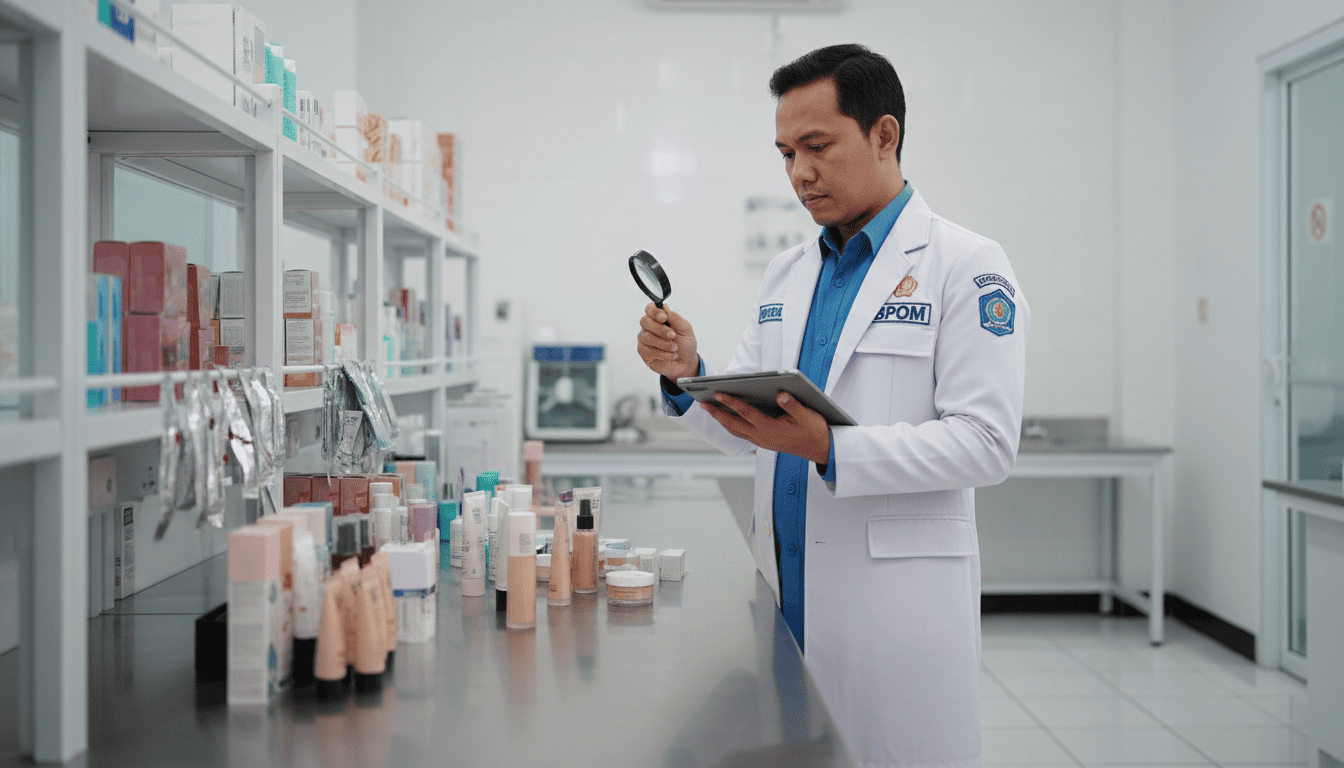
BPOM carries out supervision through routine inspections, laboratory tests and cyber patrols to trace the sale of illegal cosmetics on digital platforms. Products that are proven to be dangerous are immediately withdrawn from circulation and business actors can be subject to administrative or criminal sanctions in accordance with applicable laws and regulations.
In addition to taking action, BPOM is also actively conducting education to the public, including with the "Cek KLIK" (Packaging, Label, Distribution Permit and Expiration) campaign so that consumers are more careful before buying cosmetics.
The Role of Society
Supervision is not only the responsibility of BPOM, but also requires community participation. Consumers are advised to:
-
Avoid cosmetics without a BPOM distribution permit number
-
Don't be tempted by excessive claims
-
Report suspicious products via the official BPOM channel
Closing
Cosmetic supervision is one of BPOM's main focuses because it is directly related to public health, especially women and teenagers. With strict supervision, consistent law enforcement, and increased consumer awareness, it is hoped that the circulation of dangerous cosmetics in Indonesia can be reduced significantly.